
Developer tooling
Testing, observability, build and deploy. The buyer is an engineer who judges the product, not the postcode.
The categories that work from here, the ones we avoid, and why. Better specific and wrong than broad and unfalsifiable.
Local capital crowds the consumer layer. The durable companies are further down.
| Layer | Example | Our view |
|---|---|---|
| Infrastructure and tooling | Developer tools, APIs, data infrastructure | Strongest fit: global buyer from day one |
| Vertical software | Workflow tools for a named foreign industry | Strong fit: if the buyer is reachable remotely |
| Applied AI | A model wrapped around one costly workflow | Selective: the workflow must be specific |
| Local consumer | Apps monetised by local advertising | Poor fit: rupee revenue, capital intensive |
 Infrastructure
 Vertical
 Applied AI
 Consumer
Same shape every time: engineering-heavy, remotely sellable, priced in a currency that holds.
Testing, observability, build and deploy. The buyer is an engineer who judges the product, not the postcode.

The unglamorous processes inside foreign mid-market companies that are still run on spreadsheets and email.

Reconciliation, compliance workflow, payment operations. Not lending, not deposits, not a licence we do not hold.

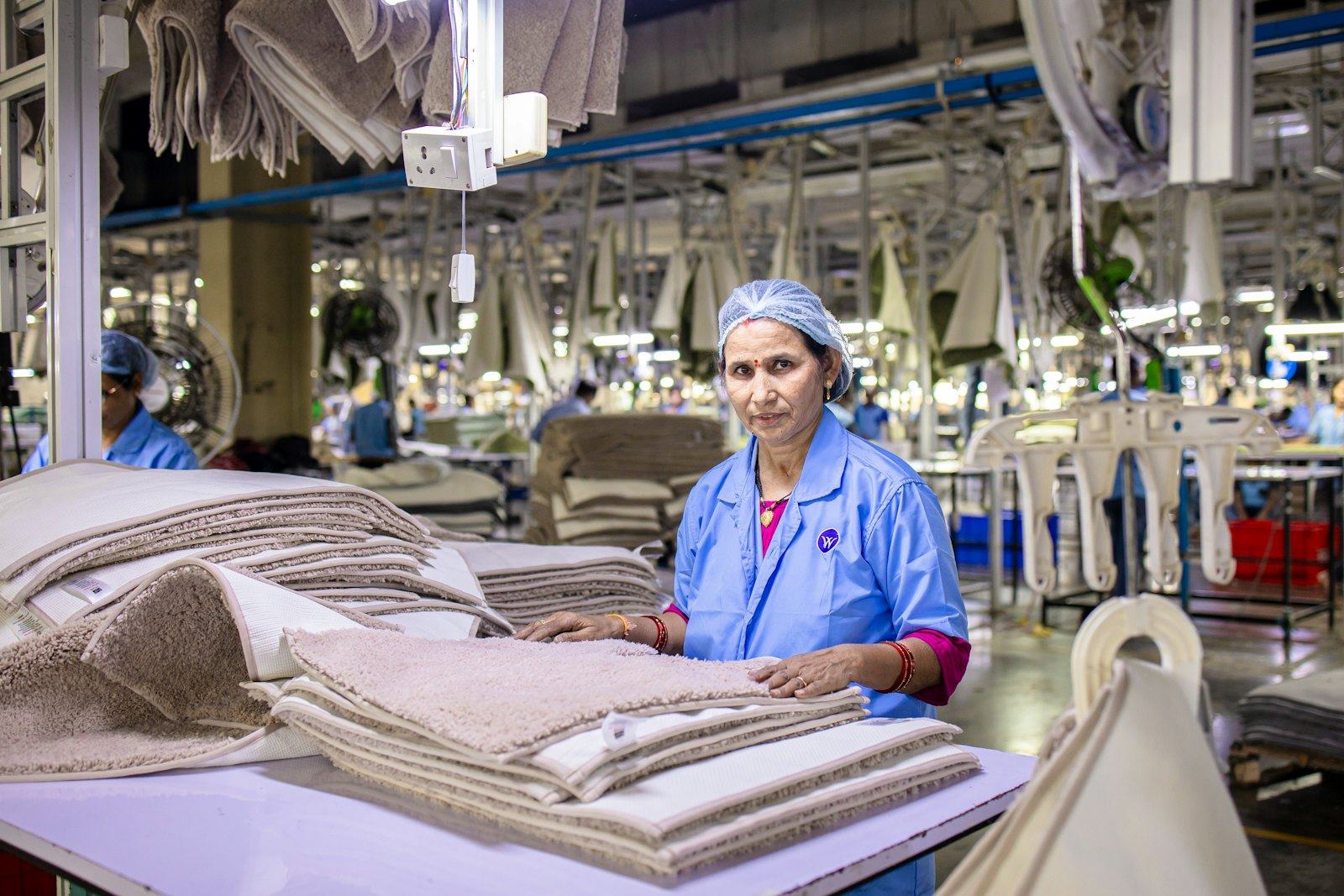
Textiles, surgical instruments, sports goods, freight. Real domain knowledge, foreign counterparties.
Document handling, quality inspection, support deflection. Value measured in hours or errors removed.

Pipelines and connectors sold as product, by the engineers who spent a decade building them as a service.
Accelerators write small cheques and give mentorship. Regional funds arrive at Series A with an international metrics bar. Between them sits the institutional pre-seed round, thinly served.
So strong teams raise from angel syndicates on inconsistent terms, end up with a cap table no institutional investor will touch, and find out eighteen months later.


We publish no total addressable market. Any figure would be a projection dressed as a fact, and reported IT export revenue measures services, the thing this thesis argues against.
The number that matters is smaller and harder to see: how many teams here start a genuinely product-shaped company each year, with a foreign buyer and the will to sell. Enough for a concentrated first fund. Not enough for a large one. This is our biggest assumption, and the one we are most willing to be wrong about in public.
Or one we have missed. If the map is wrong, tell us.