Kilnex
Kiln firing control that holds temperature curves on profile.
Autonomous operations layer for ceramics, tile and sanitaryware production — stable firing, on-tone and on-caliber pieces, fewer defects, less energy.

Porcelio runs ceramics, tile and sanitaryware production: kiln firing control, defect vision, robotic glazing and decoration, energy optimisation and tone and caliber robotic sorting.
Every kiln deployment produces labelled firing and defect traces that train the next model, tightening the loop from body to finished piece.
| Detail | Value |
|---|---|
| Stage | Seed |
| Category | Physical AI |
| Funded | August 2025 |
| Website | porcelio.com |
| Headquarters | Not disclosed |
| Raised | $1M |
| Investor | 10xC |
| Model | Per-kiln software subscription with an energy and first-quality yield component. |
| Measured by | First-quality yield, energy per piece, sort accuracy, kilns expanded per customer. |
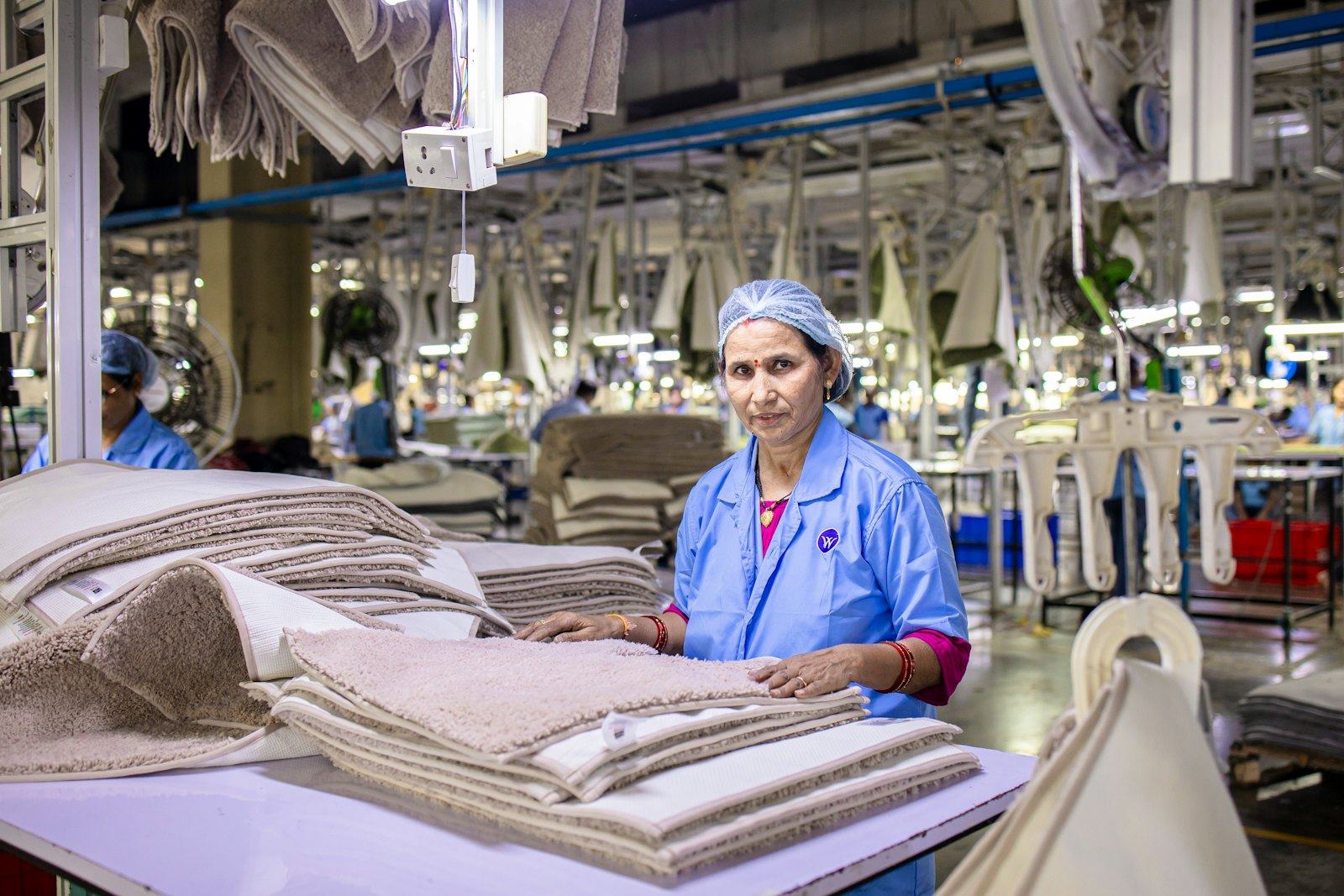
Every deployment on porcelio.com writes labelled traces back into the model, so the system generalises across plants, alloys, grades and geometries.
Kiln firing control that holds temperature curves on profile.
Defect vision across glaze, body and fired piece.
Robotic glazing and decoration.
Firing and energy optimisation.
Tone and caliber robotic sorting.
Tile and sanitaryware is a high-volume, high-energy business where a kiln drift ruins a whole shift and sorting still runs on human eyes. Tone and caliber are judged on the line, at speed, against a batch standard.
Porcelio encodes the standard. The buyer is a ceramics manufacturer paying in hard currency; the wedge is one kiln or one sorting step, and first-quality yield is the number that opens the next module.
Owns the plant relationships, the pilot programme and the commercial model.
Owns the firing and vision models, the edge runtime and the write-back into kiln control.

Building in Physical AI? We want to hear about it.